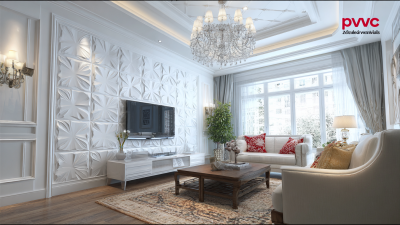
2026 Best PVC Wall Decor Types for Global Buyers
In 2026, PVC wall decoration is moving beyond basic white panels and low-cost commercial interiors. Global buyers now compare surface texture, installation speed, moisture resistance, fire performance, and documented environmental claims. The global wall panels market is forecast to expand steadily, according to Grand View Research’s Wall Panels Market Analysis, 2024–2030. Fortune Business Insights also identifies renovation activity, modular construction, and improved decorative finishes as important market drivers.
Practical buying decisions remain more complex than market growth suggests. A marble-effect Wall Decor Pvc panel may look convincing under showroom lighting, yet its film adhesion, edge stability, and color consistency require closer inspection. Samples should be tested beside windows, under warm LEDs, and in humid rooms. Small details matter.
Very much so.
The PVC Wall Panel Market analysis from Future Market Insights highlights demand across residential, hospitality, healthcare, and retail applications. However, regional standards differ. Buyers should request technical data sheets, fire-test classifications, VOC information, thickness tolerance, and installation instructions before approving a shipment. Relevant documentation may reference ASTM, EN, ISO, or local building requirements, depending on the destination.
This 2026 guide examines practical PVC wall decor types for global purchasing teams. It compares embossed panels, marble designs, woodgrain finishes, fluted surfaces, waterproof sheets, and acoustic options. Each category has advantages, limitations, and different maintenance needs. Some claims in supplier brochures still deserve skepticism. A decorative panel is not automatically sustainable, fire-safe, or suitable for every room. Careful verification protects budgets, projects, and long-term user experience.
What PVC Wall Decor Is and Why It Matters in 2026
PVC wall decor means decorative panels, sheets, trims, and textured surfaces made from polyvinyl chloride. They can imitate stone, wood grain, concrete, or fabric. In 2026, buyers value these products because they are lightweight, moisture-resistant, and easier to clean than many traditional finishes. A damp cloth can remove kitchen splashes or bathroom residue. Installation may also create less structural load in older buildings.
Demand reflects a larger materials market. Fortune Business Insights’ 2024 PVC market report valued the global market at about USD 45 billion in 2023. It projects continued growth through 2032, supported by construction, renovation, and interior applications. The report does not measure wall decor alone, so buyers should avoid treating that figure as a direct sales forecast. That distinction matters.
PVC wall decor also raises practical sustainability questions. The United Nations Environment Programme reports that plastics generated approximately 1.8 billion tonnes of greenhouse-gas emissions in 2019. PVC is durable, but durability alone does not prove environmental responsibility. Buyers should check product thickness, indoor-emission testing, fire-performance documentation, and available recycling routes. A panel that looks attractive may still perform poorly if its surface scratches quickly or its backing warps. In project reviews, samples under real lighting often reveal problems hidden in online images. Small details matter. A lower-cost option can become expensive after replacement, disposal, and installation delays.
2026 Best PVC Wall Decor Types for Global Buyers
What PVC wall decor is and why thickness matters when comparing durability, installation, and interior applications.
PVC wall decor includes wall panels, 3D panels, decorative sheets, wallpaper, and slat-style panels made from polyvinyl chloride. The chart uses representative midpoint values from commonly specified thickness ranges: thicker panels generally provide greater rigidity and impact resistance, while thinner products are lighter, easier to cut, and suited to decorative surface coverage. Actual specifications vary by supplier, installation method, and local building requirements.
Thickness values are shown in millimeters and are intended for general international buyer comparison, not as a product certification or market-share measurement.
How PVC Wall Decor Types Differ by Design, Texture, and Function
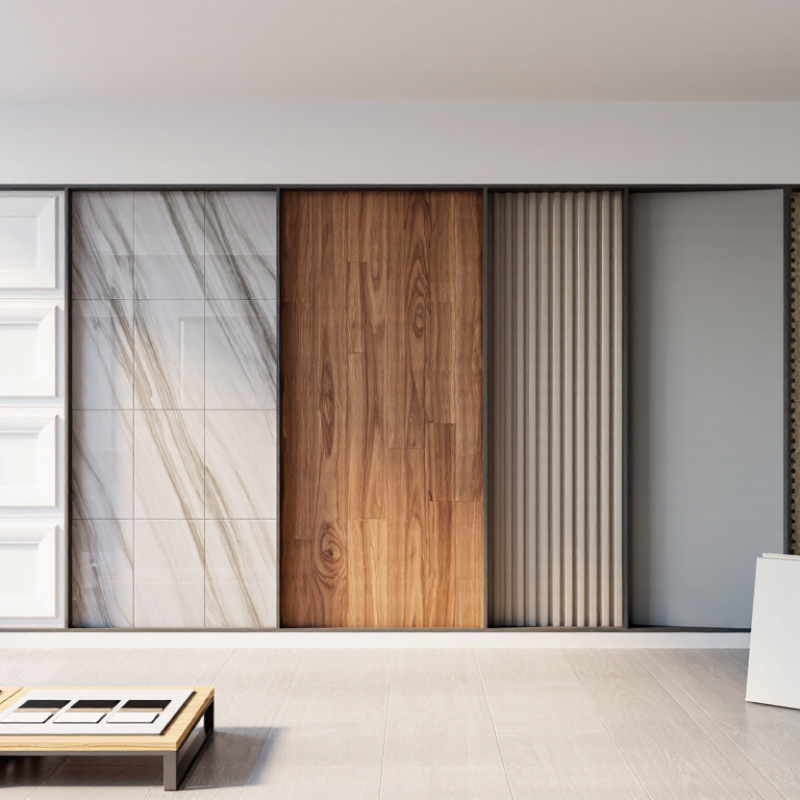
In 2026, global buyers can choose PVC wall decor by design, texture, and intended function. Geometric panels create sharp lines in offices, hotels, and modern homes. Marble-look sheets offer a calmer appearance without the weight of natural stone. Wood-effect designs add warmth, especially in bedrooms and reception areas. Color matching matters. A beautiful pattern can still feel unsuitable under cold lighting.
Texture changes both appearance and maintenance. Embossed surfaces create realistic grain, fabric, or stone effects. They also hide minor wall marks better than smooth panels. Glossy finishes reflect light and make small rooms feel brighter. However, fingerprints and uneven installation become more visible. Matte textures feel softer and usually need less frequent wiping. I have seen buyers choose texture from a sample, then regret it after covering an entire wall.
Function should guide the final selection. Moisture-resistant PVC is practical for kitchens, bathrooms, and coastal interiors. Thicker panels can improve impact resistance in busy corridors and retail spaces. Lightweight sheets reduce handling effort during installation, but very thin products may reveal wall unevenness. Check panel dimensions, edge accuracy, cleaning instructions, and fire-performance documentation before ordering. Color can vary between production batches, so approving a physical sample remains sensible. It takes extra time. That small step prevents expensive surprises.
Best PVC Wall Decor Types for Residential and Commercial Spaces
For residential spaces, the best PVC wall decor depends on moisture, traffic, and atmosphere. Waterproof marble-look panels suit bathrooms, laundry rooms, and kitchen backsplashes. Wood-grain panels add warmth to bedrooms, hallways, and reception areas. Textured 3D panels create depth behind sofas, beds, or television units. Choose lighter colors when daylight is limited. Dark surfaces show dust more clearly. Measure each wall carefully. Small errors can create visible seams.
Commercial interiors need durability and fast maintenance. Flat PVC panels work well in clinics, classrooms, retail corridors, and office partitions. Smooth surfaces support regular wiping when the product has suitable protection. For restaurants and washrooms, verify moisture resistance, cleaning guidance, and fire-performance documents. Decorative patterns should not hide damaged joints. Use compatible trims around corners, doors, and service openings. Installers should check wall flatness before applying adhesive. Uneven masonry can cause lifting or rippling. Not every wall is flat.
For global buyers, technical documents matter as much as appearance. Request thickness, panel size, installation method, weight, odor information, and test reports. Confirm whether the panels are intended for interior use. Shipping can bend thin panels, so protective packaging deserves attention. PVC is practical, but it is not perfect. Heat, impact, and poor ventilation may reduce service life. Test a sample first. A small trial may reveal color shifts, trim mismatch, or an unrealistic texture. Good design balances appearance, maintenance, installation skill, and long-term safety.
How to Compare Safety, Durability, Cost, and Sustainability
2026 Best PVC Wall Decor Types for Global Buyers
When comparing PVC wall decor, safety should come before appearance. Check fire performance, chemical emissions, surface treatment, and edge quality. Request current test reports from the supplier, not only a product brochure. For bedrooms and children’s areas, low-odor materials and secure fixing systems matter greatly. Local building rules can differ, so buyers should verify requirements before placing a large order.
Durability depends on more than thickness. In a humid bathroom, sealed joints and water-resistant backing can prevent swelling and staining. In busy hotels, a textured surface may hide scratches better than a glossy finish. Ask for abrasion, impact, colorfastness, and moisture test results. I have seen attractive panels fail because the adhesive was unsuitable for dusty walls. Installation conditions deserve the same attention as the panel itself.
Cost comparison should include packaging, shipping volume, labor, replacement risk, and disposal. A cheaper panel may become expensive after peeling edges or uneven color appear. Sustainability also needs evidence. Look for recycled content, recyclable construction, safer additives, and transparent factory information. These claims are not always equally reliable. A supplier willing to share batch records and realistic limitations usually deserves closer consideration. No material wins every category. That is worth remembering.
How Global Buyers Can Select and Source the Right PVC Wall Decor
Global buyers should select PVC wall decor by project needs, not appearance alone. Measure wall areas, moisture levels, sunlight exposure, and cleaning frequency before contacting suppliers. A bathroom may require water-resistant panels with sealed edges. A retail display may need lighter sheets and faster installation. Start with a clear specification sheet.
Ask suppliers for PVC thickness, surface finish, color tolerance, fire performance, and formaldehyde testing documents. Request recent production photos and a physical sample before placing a large order. Check whether the pattern remains consistent across several panels. Small differences can become obvious on a wide wall. They do.
Sourcing also depends on packaging and delivery reliability. Confirm carton strength, corner protection, pallet size, minimum order quantity, and shipping terms in writing. A supplier with strong samples may still provide weak after-sales communication. Test response times with detailed questions. Review the sample under warm and cool lighting, because colors can shift noticeably. I once underestimated installation waste, and the final quantity became unnecessarily tight. Add a reasonable allowance, but avoid excessive over-ordering. Buyers should compare at least three qualified suppliers using the same specifications. Keep inspection records, approved samples, and batch details for future claims. Local building rules still matter, even when the product looks suitable.