Choosing the Best Exterior Wood for Your Home Project?
Choosing the right exterior wood for your home project can be challenging. With so many options available, it's crucial to understand the unique properties of each type. The Wood Products Council reports that the demand for sustainable exterior wood has increased by 30% over the last five years. Homeowners are more aware of environmental impacts and durability considerations.
Exterior wood is not just about aesthetics; it involves functional attributes as well. For instance, certain woods resist rot and pests better than others. Cedar and redwood are popular choices, known for their natural resistance to decay. However, the cost of these materials can be a factor, as they can be more expensive compared to pressure-treated wood.
Selecting the best exterior wood often requires reflection. Are you prioritizing sustainability, or is budget more critical? Understanding your needs can inform your decision. Each wood species has its life span, maintenance needs, and climate suitability. Investing time in research will lead to better choices for both your home and the environment.
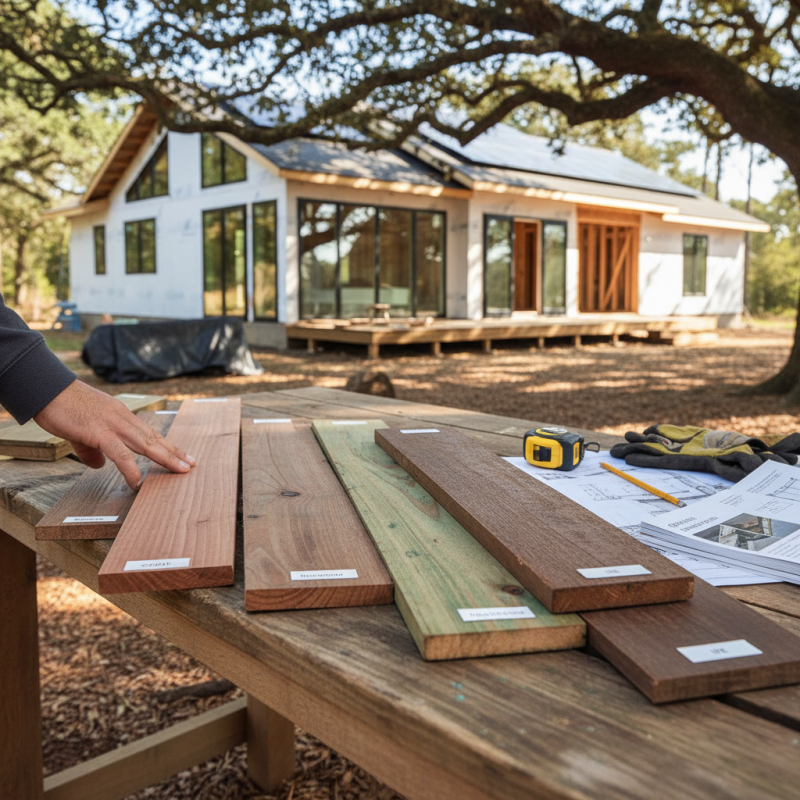
Understanding Different Types of Exterior Wood Available for Projects
When it comes to selecting exterior wood for your home project, understanding the available types is crucial. Softwoods, like pine and cedar, are popular choices. They are lighter and easier to work with. However, they may not withstand harsh weather conditions as well as hardwoods. Different finishes can help improve their durability, but maintenance is often needed.
Hardwoods, such as oak and mahogany, offer more resilience. They are dense and robust, making them suitable for outdoor furniture or decking. Yet, they can be more expensive and harder to source. The grain and color variations in hardwoods can also be striking. However, imperfections in the wood might affect your final look. It's important to select pieces carefully to avoid unsightly flaws.
Additionally, don't overlook pressure-treated wood. It’s often used for decks and fences due to its resistance to rot. Still, it's essential to consider how it fits within your overall aesthetic. Sometimes, the initial cost savings can lead to additional problems later on. Reflect on your project goals to make the right choice that balances beauty with durability.
Choosing the Best Exterior Wood for Your Home Project
| Type of Wood |
Durability |
Resistance to Weather |
Cost per Board Foot |
Ideal Applications |
| Cedar |
High |
Excellent |
$3.00 |
Decking, Siding |
| Redwood |
High |
Excellent |
$4.00 |
Fencing, Outdoor Furniture |
| Pressure-Treated Pine |
Medium |
Good |
$2.00 |
Decking, Landscaping |
| Ipe |
Very High |
Excellent |
$8.00 |
Decking, Boardwalks |
| Mahogany |
High |
Good |
$6.00 |
Outdoor Furniture, Decks |
Factors to Consider When Choosing Exterior Wood for Home Use
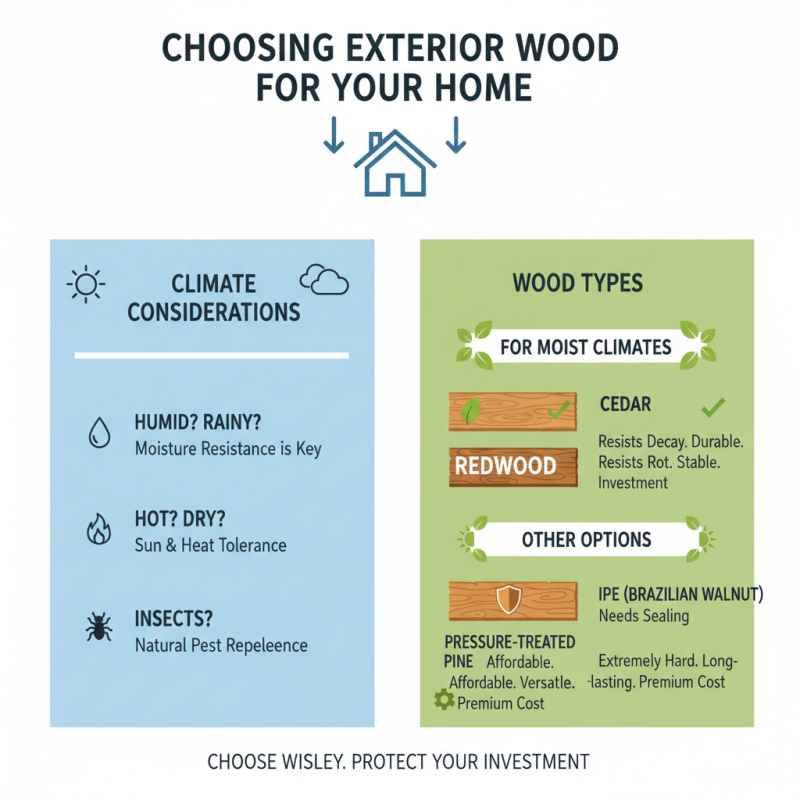
Choosing the right exterior wood for your home project is crucial. Consider the climate where you live. Is it humid? Rainy? Hot? Different woods have varying resistance to elements. Cedar and redwood are great for moist climates. They naturally resist decay, but they can be pricier.
Think about the style of your home. Do you want a rustic look or something more modern? Different woods can provide unique aesthetics. Pine is often a budget-friendly choice. However, it might not hold up as well against moisture. Pay attention to how much weathering you are willing to accept.
Maintenance is another key factor. Some woods require more care than others. Teak, for example, is beautiful but can demand regular oiling to maintain its appearance. Consider if you want to invest time in upkeep or prefer a low-maintenance option. Reflect on these factors, and you’ll make a more informed decision.
Benefits and Drawbacks of Common Exterior Woods
When choosing exterior wood, it’s essential to understand its benefits and drawbacks. Different types of wood offer unique properties. Cedar, for example, is known for its resistance to decay. It also has a beautiful aroma. However, it can be prone to warping over time.
Pine is another popular option. It is budget-friendly and readily available. Yet, its susceptibility to insects and moisture can be challenging. Frequent maintenance may be required to keep it in good condition. These characteristics are crucial to consider for your project.
Tips: Always select wood that suits your climate. If you live in a wet area, choose wood with high decay resistance. Regularly check for damage to prolong the lifespan of your exterior wood.
Keep in mind that some woods may require additional treatment. This can increase your project’s cost. Researching and weighing these factors will help you make informed choices. Choosing the right wood is not just about aesthetics; it impacts your home’s durability.
Choosing the Best Exterior Wood for Your Home Project
Best Practices for Maintaining Exterior Wood
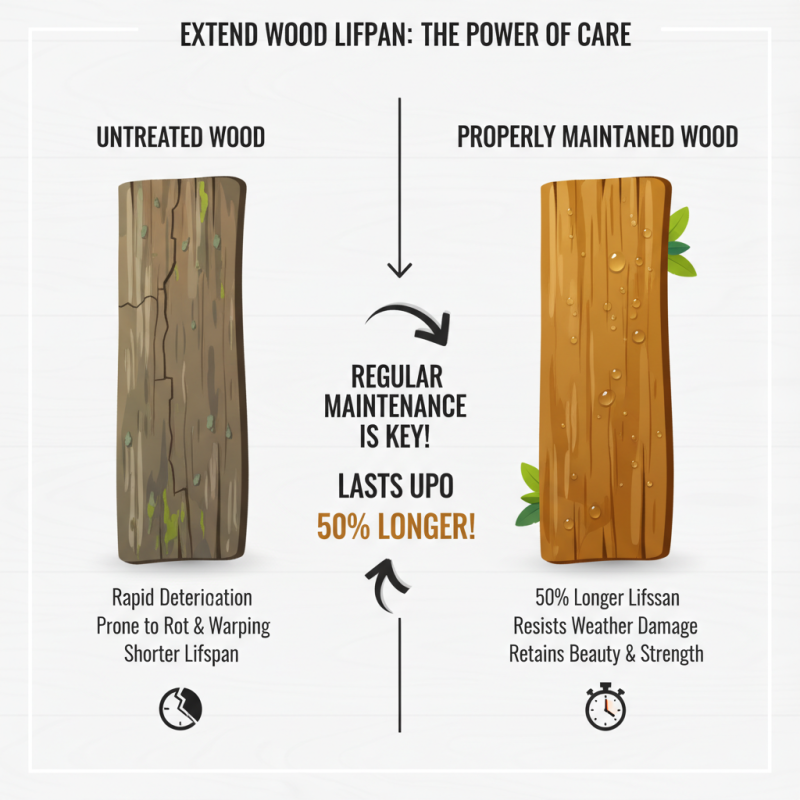
When it comes to maintaining exterior wood, the right practices can greatly extend the lifespan of your projects. Industry reports suggest that untreated wood can deteriorate rapidly in harsh conditions. This means regular maintenance is essential. In fact, wood that receives proper care lasts up to 50% longer than untreated wood.
Tip: Always clean your wood surfaces. A simple mixture of soap and water can remove dirt and mildew. Neglecting this can lead to deeper issues like rot.
Additionally, applying a protective finish is crucial. Various types of finishes, such as stains or sealants, act as barriers against moisture and UV damage. Studies show that homes with regularly finished wood experience fewer maintenance problems over time. However, remember that not all woods react the same way to finishes. It’s essential to test first.
Tip: Reapply your protective finish every one to three years. Overdoing it, however, may lead to a build-up, which can peel or flake.
Lastly, be mindful of the surrounding environment. Excess moisture from nearby plants or poor drainage can harm your wood. Regularly inspect the area around your project, making necessary adjustments.
Sustainability and Environmental Impact of Exterior Wood Choices
When choosing exterior wood for your home project, sustainability should be a key factor. The World Resources Institute highlights that the global forestry sector contributes about 18% of total greenhouse gas emissions. Selecting sustainably sourced wood can reduce this impact significantly. According to the Forest Stewardship Council, certified wood products can help conserve biodiversity and protect forests.
Not all wood is created equal. Some species grow faster and can regenerate more easily. For instance, bamboo is technically a grass but provides a strong, sustainable option. It can reach maturity in just three to five years, much quicker than traditional hardwoods. However, bamboo’s processing requires energy and resources. This balance is worth considering.
Environmental impact does not end at sourcing. Treatments and finishes applied to wood can also affect sustainability. Many contain harmful chemicals that can leach into the soil. An estimated 30% of treated wood products end up in landfills, leading to potential long-term soil contamination. Choosing eco-friendly treatments can help shift this trend.