Best Waterproof Wood Options for Your Next Project?
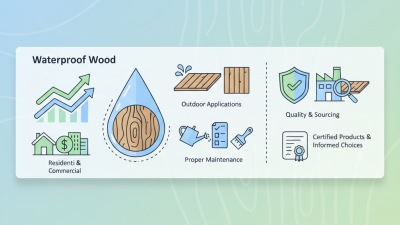
In the realm of construction and design, "Waterproof Wood" has emerged as a vital element for both aesthetic and functional projects. According to a recent report by the Wood Products Council, the demand for waterproof wood solutions has increased by over 25% in the past five years. This surge reflects a growing awareness of wood's susceptibility to water damage and the potential for innovative solutions.
Waterproof wood options, such as modified or treated varieties, not only enhance durability but also offer environmentally friendly benefits. A study by the American Wood Council indicates that using treated wood can extend the lifespan of outdoor structures significantly. However, while these options are gaining popularity, not all products are created equal. It is essential to investigate the quality and treatment methods of waterproof wood to ensure long-lasting results.
As we explore the best options available, the focus will be on quality, performance, and sustainability. While some brands have established a reputation, the market is still rife with inconsistencies. Caution is advised when selecting waterproof wood for your next project to navigate the complexities and ensure dependable outcomes.
Understanding Waterproof Wood: Key Properties and Benefits
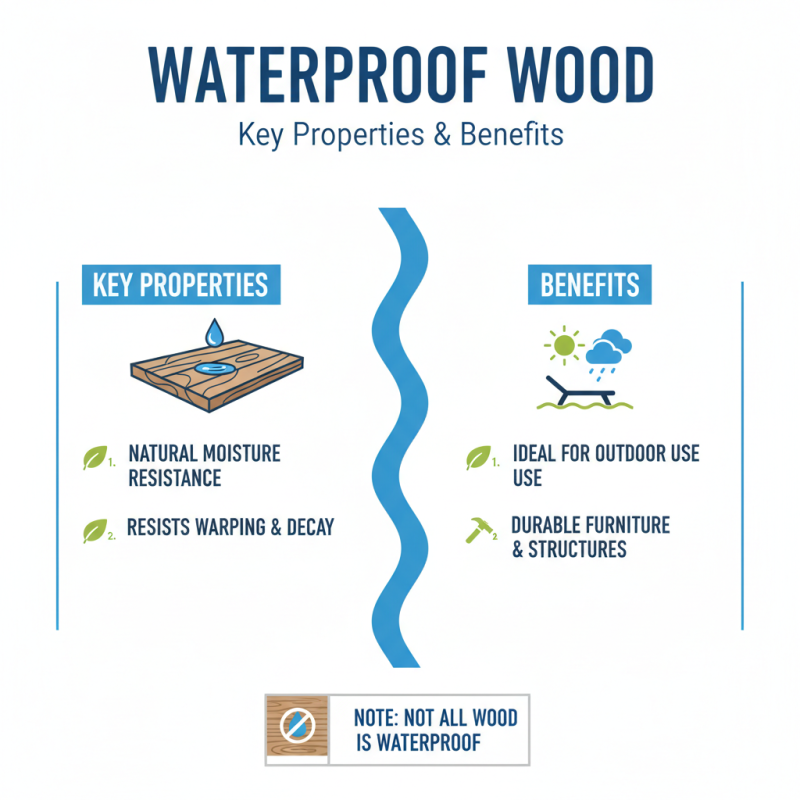
When considering waterproof wood for your projects, it's essential to know its key properties. Waterproof wood typically exhibits natural resistance to moisture. This makes it ideal for outdoor furniture and structures. It can withstand rain and humidity without warping. However, not all wood types will offer this level of protection.
One important aspect is the treatment process. Some woods are treated with special oils or sealants to enhance their waterproof qualities. This treatment can significantly extend the wood's lifespan. Yet, it may require periodic maintenance. Some users overlook this, leading to premature wear. Understanding the benefits and limitations is crucial.
Another factor to consider is the wood's density. Denser woods tend to resist water better than lighter varieties. A dense wood often holds up in damp environments. But, the added weight may pose challenges for some applications. Balance between durability and practicality is key when making your choice.
Types of Waterproof Wood: Natural vs. Engineered Options
When considering waterproof wood options, understanding the difference between natural and engineered wood is crucial. Natural woods, like teak and cedar, have natural oils that offer some resistance to water damage. These woods are aesthetically pleasing and often used for outdoor projects. However, they can be more expensive and may require regular maintenance. The longevity of natural woods often depends on their environment and care.
Engineered wood presents a different solution. It combines multiple layers, enhancing structural integrity and resistance to moisture. Often treated with waterproof coatings, these materials can withstand harsh conditions. They come in various styles, mimicking the appearance of natural wood while providing durability. However, not all engineered wood is created equal. Some might not hold up well under extreme water exposure, leading to issues like warping.
Choosing the right type of waterproof wood boils down to the project requirements. It’s essential to weigh the pros and cons carefully. Are you looking for aesthetic value, or is durability your top priority? Each type has its unique qualities, and knowing these can help make a more informed decision.
Best Waterproof Wood Options for Your Next Project
Top 5 Waterproof Wood Species for Outdoor Projects
When it comes to outdoor projects, choosing the right wood is crucial. Some species naturally resist water, making them great for various applications. Here are five waterproof wood options to consider.
Cedar is highly valued for its natural oils that repel moisture. This characteristic helps prevent rot and insect damage. While beautiful in color, it can fade over time if not treated. Teak is another exceptional choice, known for its density and durability. It withstands harsh weather well but can be pricey. Pine, particularly pressure-treated, offers a budget-friendly alternative. It is treated to resist moisture, though it may warp without proper care.
Another excellent option is redwood. Its natural resistance to water makes it a fantastic choice for decks and patios. However, finding sustainably sourced redwood can be a challenge. Lastly, black locust is incredibly durable and resistant to decay. While its availability might be limited, this wood deserves consideration for long-lasting outdoor projects. Each of these species offers unique benefits and challenges that should be weighed before making a choice.
Best Waterproof Wood Options for Your Next Project? - Top 5 Waterproof Wood Species for Outdoor Projects
| Wood Species |
Water Resistance Rating |
Typical Uses |
Price Range (per board foot) |
| Teak |
Excellent |
Decking, Furniture, Boat Building |
$15 - $30 |
| Cedar |
Good |
Fencing, Decks, Outdoor Furniture |
$5 - $15 |
| Redwood |
Good |
Decking, Garden Structures |
$6 - $20 |
| Mahogany |
Very Good |
Accent Furniture, Outdoor Decor |
$8 - $20 |
| Ipe |
Excellent |
Decking, Boardwalks, Docks |
$20 - $30 |
Finishing Techniques to Enhance Wood's Waterproof Qualities
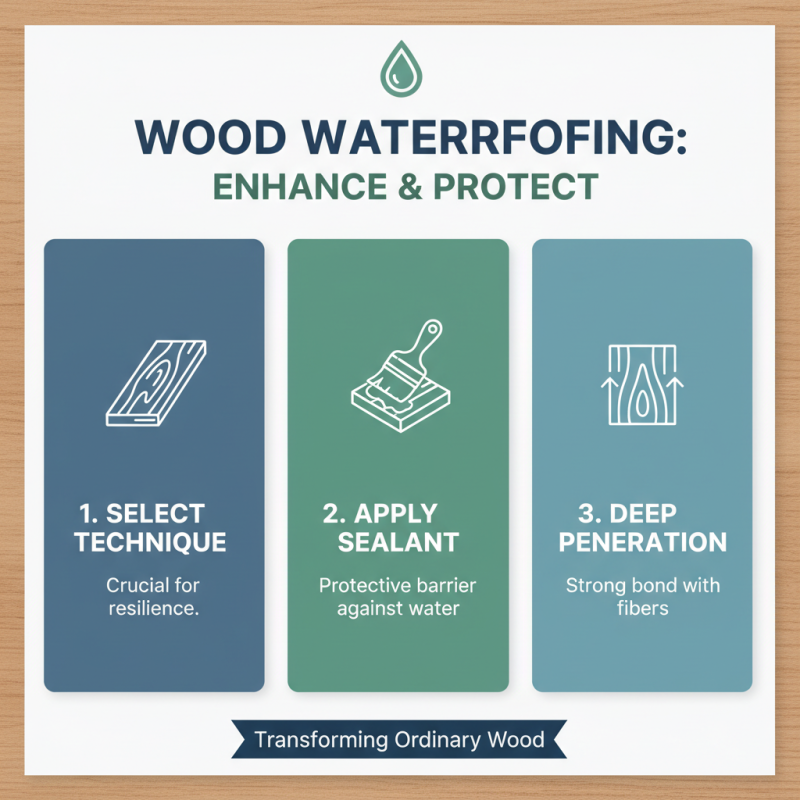
Selecting the right finishing technique is crucial for enhancing wood's waterproof qualities. Various methods can transform ordinary wood into resilient materials capable of withstanding moisture. A well-applied sealant can provide a protective barrier against water. It’s essential to choose products that penetrate deeply into the wood fibers and form a strong bond.
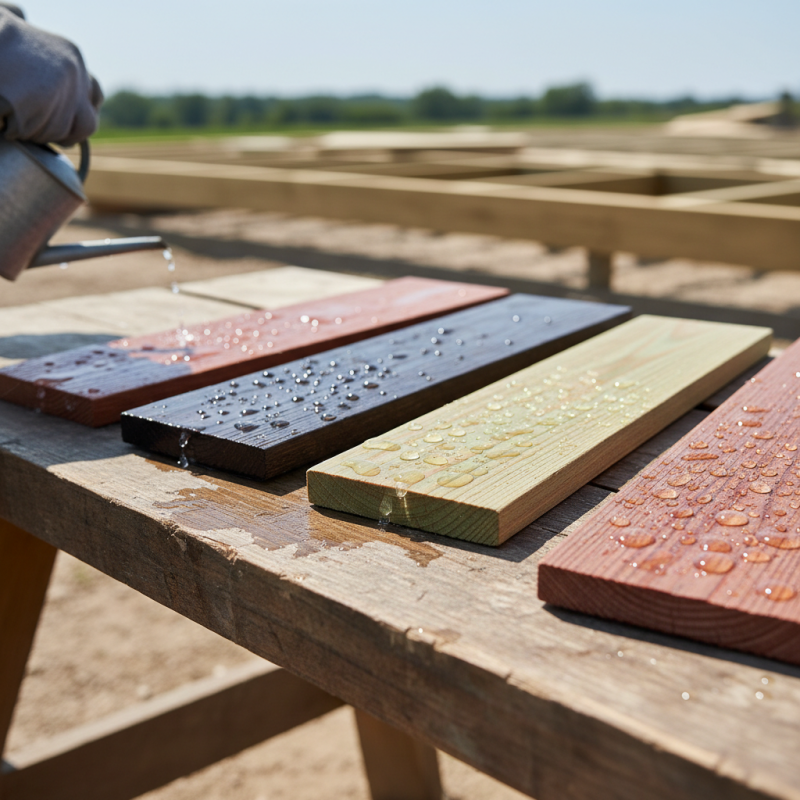
Using oil-based finishes can give your project longevity. These penetrate well, but they require careful application. Achieving even coverage can be tricky. On the other hand, water-based finishes dry quickly and are easy to clean up. However, they might need multiple coats to reach optimal waterproofing.
Testing your chosen finish on a scrap piece can prevent surprises later. Sometimes, the initial results may not reflect your expectations. You may discover that certain combinations yield better results. Observing how each finish interacts with the wood helps refine techniques. The right finishing touch can elevate your project, ensuring it stands up to the elements.
Maintenance Tips for Preserving Waterproof Wood in Various Environments
When working with waterproof wood, maintenance is crucial for longevity. Different environments can affect wood performance. For example, high humidity can lead to mold growth. Regular cleaning can prevent buildup. Use a mild detergent and soft brush. Rinse thoroughly to avoid soap residue. Consider the climate when choosing wood finishes, as some may not perform well in extreme conditions.
In areas with direct sunlight, fading is a concern. Apply UV protective coatings to prolong color. Check for scratches or dents. These can trap moisture and lead to rot. Sand down any damaged spots and reapply finish immediately. In coastal regions, saltwater can be damaging. Rinse wood periodically with freshwater to diminish corrosion effects.
Different woods require distinct care practices. Teak is popular due to its natural oils. However, it still needs regular maintenance. Adjust your practices based on local conditions. This flexibility will yield better results. Reflect on what works and make adjustments. Every project is a learning experience.