How to Choose the Best Fiber Wall Panel for Your Home?
Choosing the right Fiber Wall Panel can transform your home’s aesthetic. These panels come in various designs and materials. Each option presents unique benefits.
When selecting Fiber Wall Panels, consider factors such as durability and style. Do you prefer a modern, sleek look or something more rustic? The texture can change a space dramatically.
Sometimes, the options can be overwhelming. It's easy to choose based on trends. However, reflect on what truly fits your home and lifestyle. The decision should enhance your space rather than complicate it. Finding the perfect Fiber Wall Panel is about aligning aesthetics with functionality.
Choosing the Right Material: Overview of Fiber Wall Panels
Choosing the right material for fiber wall panels is crucial for achieving aesthetic and functional goals. Fiber wall panels are widely recognized for their versatility and durability. According to a report by the Freedonia Group, the demand for wall panels is projected to grow by 6% annually to reach over $3.3 billion by 2026. This surge emphasizes the importance of selecting the right panel.
When exploring options, consider the composition. Fiber wall panels can be made from various materials like MDF, hardboard, or even fiber cement. MDF panels are lightweight and easy to work with, yet they can be susceptible to moisture damage. In contrast, fiber cement panels offer superior durability and are resistant to weather conditions.
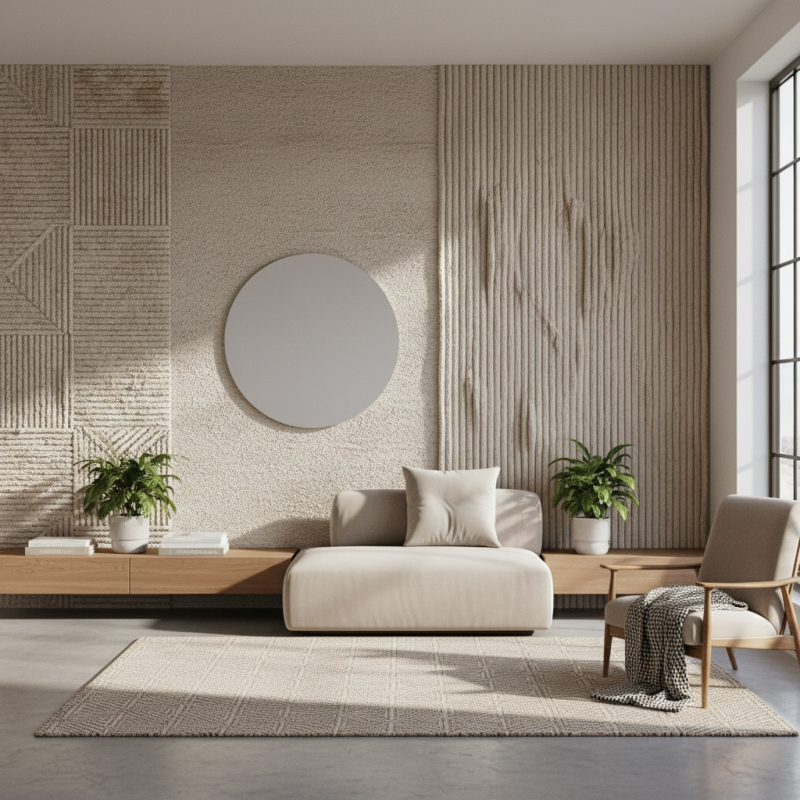
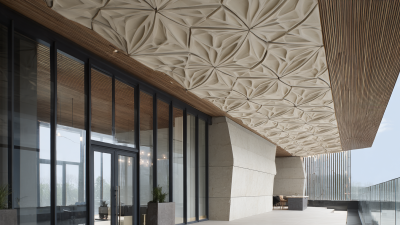
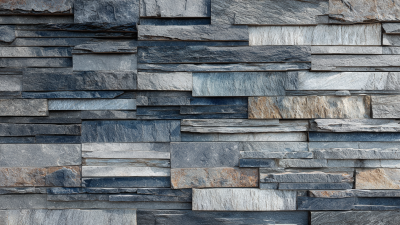
In terms of design, fiber wall panels come in numerous textures and finishes. They can replicate the appearance of wood or stone at a fraction of the cost. However, some finishes may require regular maintenance to preserve their look. Aesthetic choices also matter; while contemporary designs are popular, traditional patterns still hold appeal. Reflecting on your style and needs ensures a more rewarding selection process.
Understanding Fiber Wall Panel Types and Their Properties
Choosing the right fiber wall panel involves understanding the different types available. Fiber wall panels come in several types, including medium-density fiberboard (MDF), high-density fiberboard (HDF), and wood veneer panels. Each type has unique properties that suit various needs. For instance, MDF is ideal for painting due to its smooth surface. On the other hand, HDF offers better durability for high-traffic areas.
Tips: When selecting a fiber wall panel, consider the intended use. If you're planning a project that needs moisture resistance, choose HDF. For aesthetic appeal, wood veneer brings warmth and character. Take precise measurements and confirm panel dimensions to avoid fitting issues.
The properties of fiber wall panels also affect their installation and longevity. Some panels are simpler to install, while others may require special adhesives or tools. It’s crucial to assess your own capabilities and resources. Reflect on whether you prefer a DIY approach or if hiring a professional fits your budget better.
Tips: Before installation, test the panel's durability by checking its resistance to impact or scratches. Always ensure proper acclimation of panels in your home’s environment. This step can prevent future warping or damage. Consider the long-term maintenance your chosen panels may require.
Analyzing Performance: Durability, Moisture Resistance, and Maintenance
When selecting the best fiber wall panel for your home, consider durability as a key factor. Stability in structure can prolong its lifespan. Moisture resistance is equally vital, especially in areas exposed to water. A panel that can withstand humidity will protect your walls and keep them intact.
Tips: Always check the moisture ratings. Make sure the panel can handle local climate conditions. Look for features that enhance durability, such as thickness and composition.
Maintenance is another aspect not to overlook. Fiber wall panels may require periodic cleaning to preserve their appearance. They might not be as tough as you think. If not maintained, panels can warp or discolor over time.
Tips: Use gentle cleaners to avoid damaging the surface. Create a regular maintenance schedule. Reflect on how often you can realistically inspect and care for your walls. This will help ensure a long-lasting investment in your space.
Evaluating Aesthetic Options: Colors, Textures, and Design Flexibility
Choosing the right fiber wall panel involves understanding colors, textures, and design flexibility. The aesthetic appeal of a space can be transformed by selecting the right materials. According to the National Association of Home Builders, about 55% of homeowners prioritize aesthetics during renovations. This statistic highlights how essential it is to choose stylish fiber wall panels that fit your home’s theme.
Consider colors that complement your existing decor. Neutral shades often provide versatility, while bold colors can make a statement. Textures also play a critical role. Smooth finishes exude modern elegance, while textured panels add depth and warmth. A study by the American Institute of Architects reveals that mixed textures create visual interest. Therefore, assess how different types can interact within your space.
Tips: When selecting, visualize the panel against your wall. Use samples to test how light changes the colors throughout different times of the day. Make sure to explore different designs. Be open to unconventional patterns or layouts. They can elevate your home’s personality. Ultimately, choose what resonates with you, but remain aware of the space you’re creating. A well-thought-out choice can significantly affect your home's ambiance.
Fiber Wall Panel Aesthetic Evaluation
This chart evaluates different aesthetic options for fiber wall panels, considering factors such as color variety, texture options, design flexibility, sustainability, and cost effectiveness. It helps in understanding which aspects are most important in choosing the best fiber wall panel for your home.
Cost Considerations: Budgeting for Installation and Long-Term Value
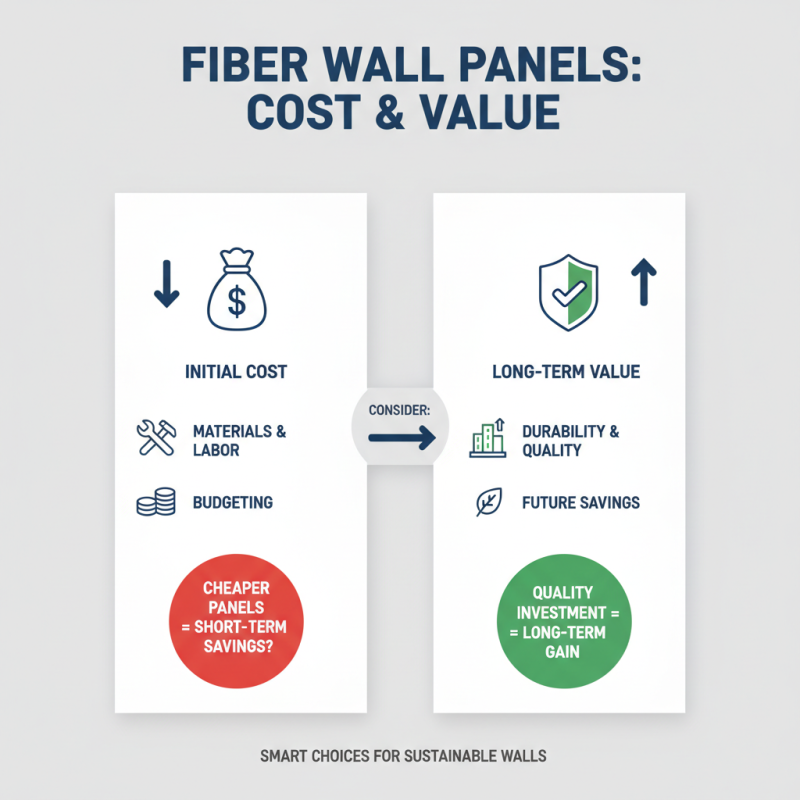
When considering fiber wall panels, cost is a crucial factor. Installation costs can vary significantly based on materials and labor. Budgeting effectively ensures you don't overspend, but it also means anticipating long-term value. A cheaper panel might seem appealing at first. However, investing in quality can save you money in the future.
Tips: Always get multiple quotes. Comparing different installers can help you find the best deal. Consider hidden costs, too. Delivery fees, disposal fees, and maintenance can add up. These factors often escape initial estimations.
Long-term value matters as well. High-quality panels can last decades. They resist fading and wear, reducing the need for replacements. Weigh the initial investment against potential future savings. However, balancing a beautiful aesthetic with durability can be challenging. Mistakes can lead to costly regrets. Make sure to research thoroughly. Understanding the market and product options is essential to avoid pitfalls.