Top Tips for Choosing Wpc Deck Boards for Your Project?
When it comes to enhancing outdoor spaces, choosing the right Wpc Deck Boards is crucial. These boards combine wood and plastic, offering durability and aesthetic appeal. Their popularity is increasing due to their resistance to weather elements and minimal maintenance needs. However, selecting the most suitable Wpc Deck Boards can be challenging.
Different projects may require unique board characteristics. Consider factors like color, texture, and thickness when making your choice. On the market, choices can be overwhelming, with various brands and qualities. Not all Wpc Deck Boards are created equal, and some may not perform as expected. Additionally, improper installation can lead to issues such as warping or fading.
Reflecting on your project’s demands helps narrow down your options. Evaluate how much foot traffic the deck will endure. Assure that the chosen boards meet your specific requirements. Remember, investing time in research pays off in the long run. Quality Wpc Deck Boards enhance not just your space but also your home’s value.
Understanding WPC Deck Boards: What You Need to Know
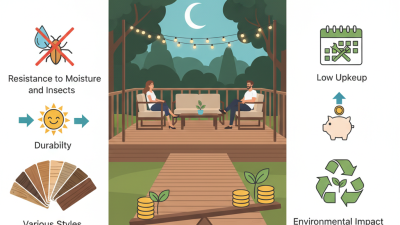
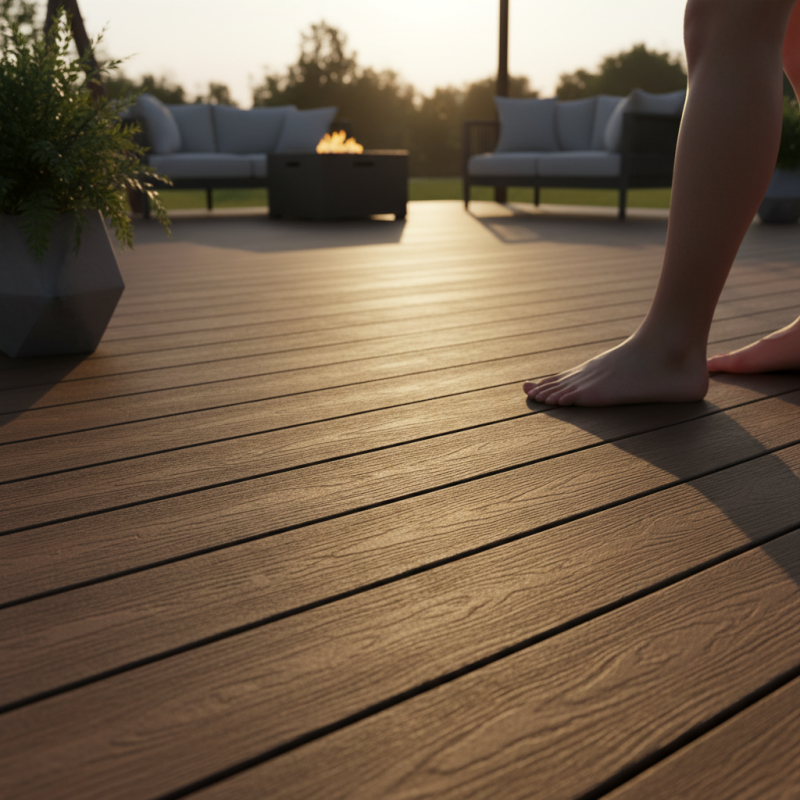
WPC deck boards are gaining popularity due to their blend of wood and plastic. Understanding their composition is crucial. WPC stands for wood-plastic composite, which combines recycled wood fibers with thermoplastic. This mixture enhances durability and resistance to moisture and pests. Homeowners appreciate this feature, especially in humid climates.
Consider the texture and finish when choosing boards. Some offer a smooth surface, while others have a more natural appearance. Aesthetics matter, but functionality should not be overlooked. Think about foot traffic and potential scratches. Opting for a textured finish can help mask imperfections.
Not all WPC boards are created equal. Different brands may have varying levels of quality. Look for certifications that ensure longevity and performance. Feedback from previous users can be valuable. Reflect on your specific needs. Will the boards endure harsh weather? Assessing these questions may highlight potential issues. Making informed decisions can enhance your outdoor space.
Evaluating Material Quality and Durability for Decking Projects
When evaluating material quality for WPC deck boards, focus on the composition.
High-quality boards often have a blend of wood fibers and recycled plastic.
Look for products with at least 50% wood fiber content for optimal durability.
A recent industry report indicates that well-manufactured WPC can last 25 years or more with proper maintenance.
Consider the environmental factors, too. Areas with high humidity or intense sunlight can degrade inferior materials quickly.
Select boards that claim resistance to mold and fading. Testing results show that boards with advanced UV protection last significantly longer than their counterparts.
Tip: Check for warranties and certifications that affirm the board's quality.
A strong warranty often indicates the manufacturer’s confidence in their product.
While aesthetic appeal is important, it shouldn’t overshadow quality.
Some boards may look great but falter in durability. Research reported that nearly 30% of homeowners regretted their choice of decking due to unexpected wear and tear.
Thus, prioritize quality and longevity to ensure your deck endures through the seasons.
Selecting the Right Size and Thickness for Your Deck Boards
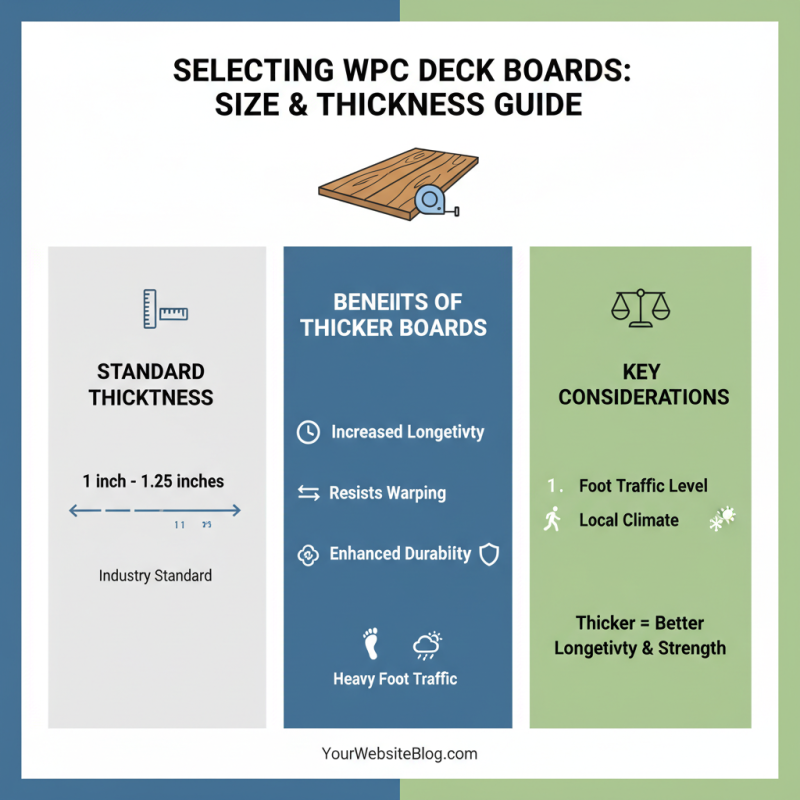
When selecting WPC deck boards, size and thickness are crucial factors. Industry reports suggest that standard thickness ranges from 1 inch to 1.25 inches. Thicker boards tend to resist warping and provide better longevity. They also offer enhanced durability against heavy foot traffic and harsh weather conditions.
Choosing the right width is equally important. Standard widths generally range from 5.25 inches to 6 inches. Wider boards create a modern aesthetic, while narrower ones can evoke a classic feel. However, wider boards may be more prone to expansion and contraction due to temperature changes. This could lead to gaps or buckling in certain climates. According to studies, proper spacing and slope can mitigate these issues effectively.
Some homeowners overlook the long-term implications of their choices. While thicker boards may be more expensive initially, they could save costs on repairs over time. Conversely, opting for thinner boards may reduce upfront costs but lead to frequent replacements. Therefore, weighing both immediate budget constraints and long-term goals is essential when making your decision.
Exploring Color, Texture, and Design Options for Aesthetic Appeal
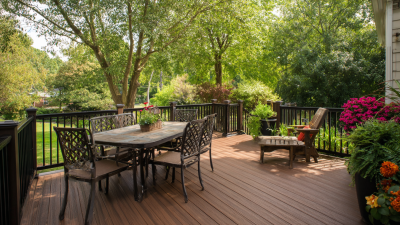
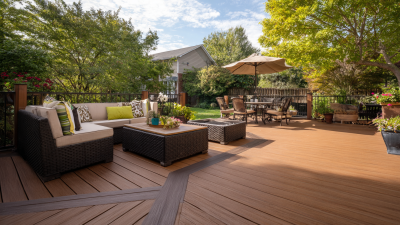
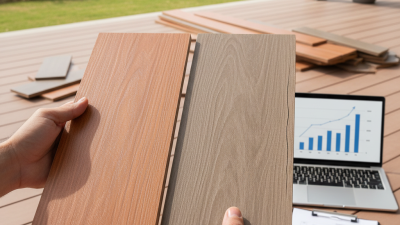
When choosing WPC deck boards, color, texture, and design options significantly impact the overall aesthetic appeal. Consider the surrounding environment of your project. A natural wood look may blend well with greenery. In contrast, bold colors can make a statement in an urban setting. Take time to explore various shades, from deep browns to light grays. Each color can evoke a different mood, influencing how your space feels.
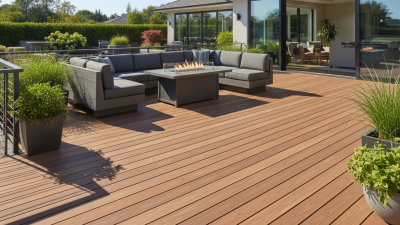
Texture plays a vital role too. Smooth finishes offer a modern look, while embossed options provide a rustic feel. Walking on a textured surface can enhance comfort and prevent slips. Pay attention to how these textures will blend with your home’s architecture. A mismatch can lead to a disjointed visual experience. It’s essential to balance your choices, ensuring the deck complements rather than competes with existing elements.
Design options extend beyond color and texture. Patterns can create visual interest, adding depth to flat surfaces. Consider using contrasting boards for borders or inlays. This can break monotony and define areas. Personal preferences should guide your choices, but be open to experimenting. Sometimes, the less obvious combinations can yield stunning results. Reflect on your vision while remaining adaptable to new ideas that arise during the selection process.
Top Tips for Choosing WPC Deck Boards for Your Project
Budgeting for WPC Deck Boards: Cost Considerations and Options
When budgeting for WPC deck boards, it's crucial to understand the costs involved. The average price for WPC materials ranges from $2 to $10 per square foot, depending on the quality and design. According to a recent industry report, high-quality WPC boards can last up to 25 years. This longevity can offset the initial investment, making it a cost-effective choice over time.
A detailed cost analysis should consider additional factors. Installation expenses can vary significantly. On average, professional installation may increase costs by $5 to $15 per square foot. Homeowners might save by choosing DIY installation but must factor in their skill level. Low-cost options might seem appealing initially, but cheaper boards often lack durability. This could lead to more repairs in the future.
It's essential to assess long-term maintenance costs too. WPC deck boards typically require less maintenance than traditional wood options. However, neglecting periodic cleaning could lead to discoloration and degradation. Ultimately, carefully considering these factors can lead to informed choices that align with both budget and project goals. Reflecting on past decisions can help in making better future choices.
Top Tips for Choosing WPC Deck Boards for Your Project
| Dimension |
Description |
Cost Range (per square foot) |
Lifespan |
| Standard |
Cost-effective option, good for low-traffic areas. |
$2.50 - $4.00 |
10-15 years |
| Enhanced |
Better durability and resistance to fading, ideal for moderate traffic. |
$4.00 - $6.00 |
15-20 years |
| Premium |
High-end materials, highly resistant to wear and moisture, perfect for heavy traffic. |
$6.00 - $10.00 |
20+ years |
| Eco-Friendly |
Made from recycled materials, an environmentally conscious choice. |
$3.00 - $5.00 |
15-25 years |